
Interior and Exterior Finishing: Crafting the Perfect Aesthetic
Interior and Exterior Finishing it comes to creating a harmonious and appealing living space, both interior and exterior finishing play crucial roles. These final touches not only enhance the visual appeal but also contribute to the functionality and durability of a structure. Understanding the different aspects of interior and exterior finishes can help homeowners and builders make informed decisions that align with their aesthetic preferences and practical needs.
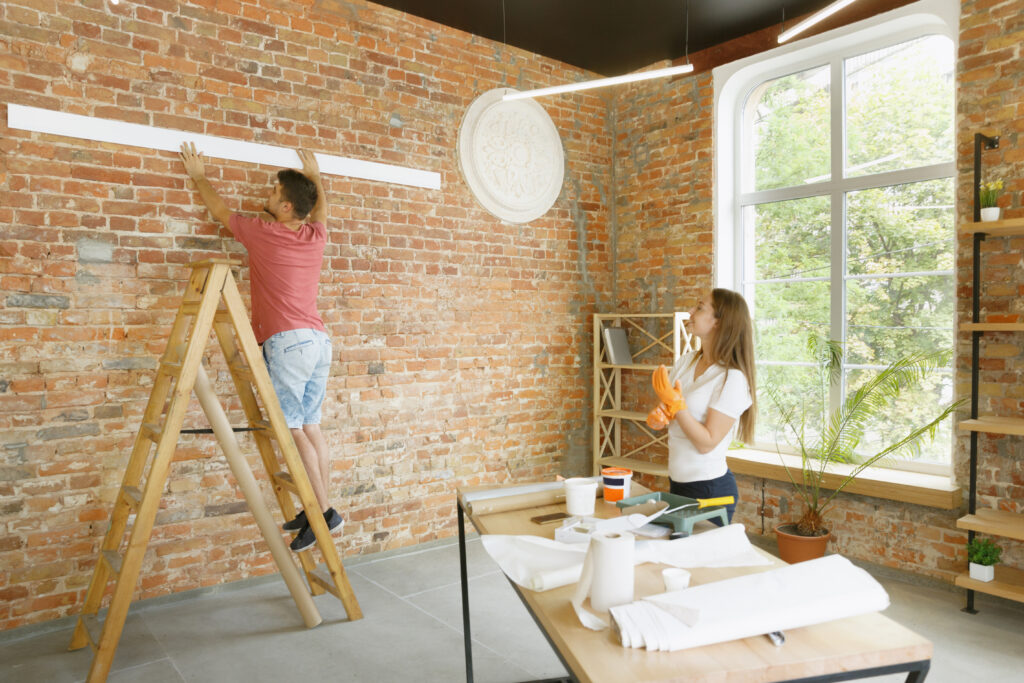
Interior Finishing
Interior finishing involves the selection and application of materials that define the look and feel of the inside of a building. This process typically includes flooring, wall treatments, ceilings, doors, windows, and trim. Each element must be carefully chosen to complement the overall design theme while considering factors such as cost, durability, and maintenance.
1. Flooring: Choices range from hardwood, laminate, and tile to carpet and vinyl. Hardwood offers timeless elegance, while tile is known for its durability and ease of maintenance. Carpeting adds warmth and comfort, making it ideal for bedrooms and living areas.
2. Walls: Paint and wallpaper are popular options for wall treatments. Paint provides versatility with an endless palette of colors, while wallpaper offers patterns and textures that can add depth to a room. Additionally, wainscoting and paneling can introduce a classic or rustic touch.
3. Ceilings: Often overlooked, ceiling finishes can significantly impact the ambiance of a room. Options include traditional drywall, decorative tiles, or exposed beams for a more rustic look. Coffered or tray ceilings add architectural interest and elegance.
4. Trim and Moldings: These elements frame the room and can range from simple baseboards to elaborate crown moldings. They serve to hide joints and transitions, providing a polished look.
5. Lighting Fixtures: The choice of lighting can enhance the mood and functionality of a space. From chandeliers and pendant lights to recessed lighting and sconces, the options are diverse and should align with the room’s purpose and style.
Exterior Finishing
The exterior finish of a building is not only about aesthetics but also about protecting the structure from environmental elements. The right finishes can improve curb appeal and increase the longevity of the building.
1. Siding: Available in materials such as wood, vinyl, fiber cement, and brick, siding protects the home from weather and provides insulation. Each material has its own benefits; for instance, vinyl is low-maintenance, while brick offers classic charm and durability.
2. Roofing: The roof is a critical component of exterior finishing, with options including asphalt shingles, metal roofing, and clay tiles. Each type offers different levels of protection, aesthetic appeal, and energy efficiency.
3. Windows and Doors: These are important for both functionality and style. Energy-efficient windows can reduce heating and cooling costs, while the design and material of doors can set the tone for the home’s exterior appearance.
4. Paint and Finishes: Exterior paint not only adds color but also provides a protective layer against weathering. Choosing the right type of paint and finish can prevent damage from UV rays, moisture, and temperature changes.
5. Landscaping: Though not a direct part of the building, landscaping complements exterior finishing. Thoughtful placement of plants, trees, and pathways can enhance the overall aesthetic and create a welcoming environment.
Conclusion
Interior and exterior finishing are integral to the overall design and functionality of a building. They require careful consideration and planning to achieve a balance between aesthetics and practicality