The Evolution and Future of Commercial Construction
The commercial construction industry has long been a cornerstone of economic development, shaping the skylines of cities and providing the infrastructure necessary for businesses to thrive. As we navigate the 21st century, commercial construction is experiencing a transformative phase, driven by technological advancements, sustainability concerns, and evolving societal needs. This article delves into the current trends and future prospects of commercial construction, highlighting its pivotal role in modern economies.
Current Trends in Commercial Construction
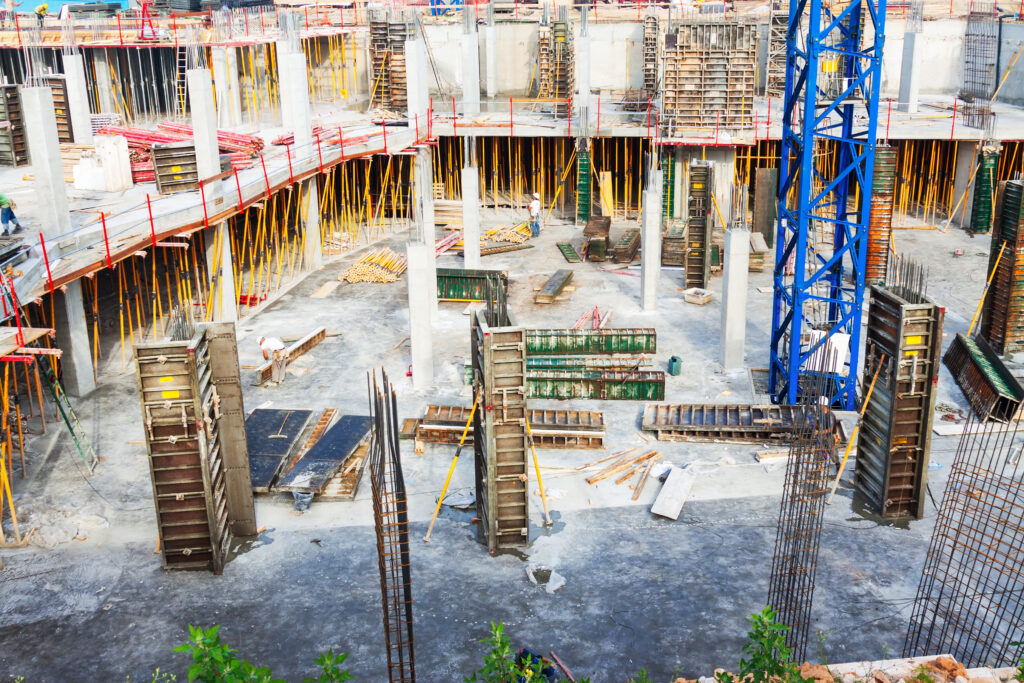
1. Technological Integration: One of the most significant shifts in commercial construction has been the integration of technology. Building Information Modeling (BIM) is now a staple, allowing for more efficient design and collaboration among stakeholders. Drones are being used for site surveys, providing accurate data quickly and safely. Furthermore, the Internet of Things (IoT) is enabling smarter buildings, where systems such as lighting, heating, and security are interconnected and can be controlled remotely.
2. Sustainability and Green Building: With growing awareness of environmental issues, there is an increasing emphasis on sustainable construction practices. LEED (Leadership in Energy and Environmental Design) certification has become a benchmark for environmentally friendly buildings. The use of sustainable materials, energy-efficient systems, and waste reduction practices are now standard in commercial projects, reflecting a shift towards reducing the carbon footprint of new constructions.
3. Modular and Prefabricated Construction: The demand for faster project completion and cost-effectiveness has led to the rise of modular and prefabricated construction. These methods allow for building components to be manufactured off-site and then assembled on-site, significantly reducing construction time and waste. This approach is particularly beneficial in urban areas where space and time are at a premium.
4. Focus on Health and Safety: The COVID-19 pandemic has underscored the importance of health and safety in building design. Commercial spaces are now being designed to ensure better air quality, improved sanitation, and more flexible layouts to accommodate social distancing. This trend is likely to continue as businesses prioritize the well-being of their employees and customers.
Challenges Facing the Industry
Despite these advancements, the commercial construction industry faces several challenges. Labor shortages remain a significant issue, with a lack of skilled workers leading to increased project costs and delays. Additionally, fluctuating material costs and supply chain disruptions can impact project budgets and timelines. Regulatory hurdles and zoning laws also complicate the process, requiring builders to navigate complex legal landscapes.
The Future of Commercial Construction
Looking ahead, the commercial construction industry is poised for further innovation and growth. The adoption of artificial intelligence (AI) and machine learning is expected to revolutionize project management, enabling predictive analytics for better decision-making and risk management. Virtual and augmented reality technologies will enhance design visualization, helping stakeholders to better understand and modify projects before ground is broken.
Moreover, the push for net-zero buildings will intensify, with advances in renewable energy technologies and sustainable design practices leading the way. The integration of smart city concepts will also play a crucial role, as commercial constructions become key components of interconnected urban environments that prioritize efficiency and quality of life.
In conclusion, the commercial construction industry is at the forefront of shaping the future of urban landscapes. By embracing technology and sustainability, it is not only meeting the demands of today but also paving the way for a more resilient, efficient, and environmentally conscious tomorrow. As challenges are addressed and innovations continue to emerge, commercial construction will undoubtedly remain a vital and dynamic sector.