Navigating the Landscape of Residential Construction in 2025
The residential construction industry plays a crucial role in shaping our communities, economies, and daily lives. As of 2025, the sector is evolving rapidly, driven by technological advancements, changing consumer preferences, and a growing emphasis on sustainability. This article delves into the current trends, challenges, and opportunities that define residential construction today.
Technological Innovations
One of the most significant shifts in residential construction is the integration of technology. Building Information Modeling (BIM) has revolutionized how architects, engineers, and contractors collaborate, allowing for more precise planning and reduced waste. Drones are increasingly used for site surveys, providing accurate data quickly and safely. Additionally, 3D printing technology is beginning to make its mark, offering the potential for faster and more cost-effective construction of housing components.
Sustainability and Green Building
As awareness of climate change and environmental issues grows, sustainability has become a cornerstone in residential construction. Homebuyers are increasingly seeking energy-efficient homes with lower carbon footprints. This demand is pushing builders to incorporate green building materials, solar panels, and advanced insulation techniques. Certifications like LEED (Leadership in Energy and Environmental Design) are gaining popularity, as they assure buyers of a home’s eco-friendly credentials.
Smart Homes and IoT Integration
The concept of the smart home is no longer futuristic; it is a present-day reality. The integration of the Internet of Things (IoT) in residential construction has led to homes that offer enhanced convenience, security, and energy management. From smart thermostats and lighting systems to advanced security features, these technologies are becoming standard in new constructions, driven by consumer demand for connected living spaces.
Residential Construction
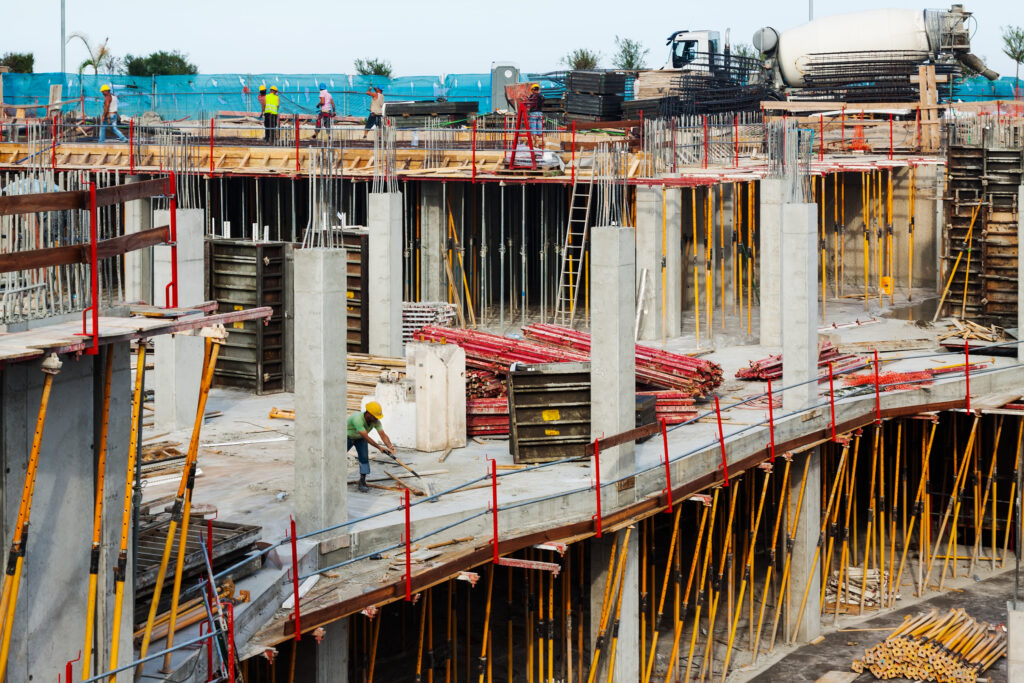
Despite these advancements, the residential construction industry faces several challenges. Supply chain disruptions, exacerbated by global events and economic fluctuations, have led to increased material costs and delays. Labor shortages also persist, with the industry struggling to attract and retain skilled workers. These issues are prompting companies to explore automation and other innovative solutions to maintain productivity and efficiency.
The Role of Government and Policy
Government regulations and policies significantly impact residential construction. Zoning laws, building codes, and environmental regulations can vary widely by region, influencing how and where homes are built. In 2025, many governments are prioritizing affordable housing initiatives to combat rising home prices and housing shortages. These policies are encouraging the development of sustainable, high-density housing solutions in urban areas.
Opportunities for Growth
Despite the challenges, there are abundant opportunities for growth in residential construction. The increasing demand for sustainable and smart homes presents a lucrative market for forward-thinking builders and developers. Additionally, the renovation and retrofitting of existing homes offer significant potential, as homeowners seek to modernize their living spaces with energy-efficient upgrades and smart technologies.
Conclusion
Residential construction in 2025 is at a pivotal moment, characterized by rapid technological advancements and a strong push towards sustainability. While challenges such as labor shortages and supply chain disruptions persist, the industry’s resilience and adaptability offer promising opportunities for growth and innovation. As builders, developers, and policymakers navigate these changes, the focus remains on creating homes that are not only functional and aesthetically pleasing but also environmentally responsible and equipped for the future.